
The people seeking recovery from substance use, the environment in which treatment takes place can be just as important as the therapies themselves. While outpatient services can be appropriate for some individuals, others benefit from living in a structured setting where treatment, peer support, daily routines, and recovery planning are integrated into everyday life.
In Fort Wayne, Indiana, Strive Recovery provides residential treatment in a home-like setting for adults dealing with addiction and co-occurring mental health conditions. Its facility at 3320 E State Blvd is designed to provide a structured environment where residents can concentrate on recovery while receiving clinical and behavioral support.
The development of live-in recovery services reflects a broader understanding of addiction treatment: recovery is not necessarily a single event or a short course of therapy. For many people, it involves medical stabilization, intensive treatment, development of coping skills, and gradual preparation for life outside a treatment facility.
What Live-In Recovery Provides
Residential treatment allows individuals to live at the recovery center while participating in a structured program. This can create distance from everyday environments, routines, and circumstances that may make early recovery difficult.
Strive Recovery describes its residential program as immersive care in a home-like setting with daily therapy and recovery planning. The facility’s broader continuum includes medically monitored detox, residential treatment, partial hospitalization, intensive outpatient care, and sober living.
Rather than approaching recovery as a one-size-fits-all process, the center says treatment plans are individualized according to each person’s needs.
A Home-Like Environment in Fort Wayne
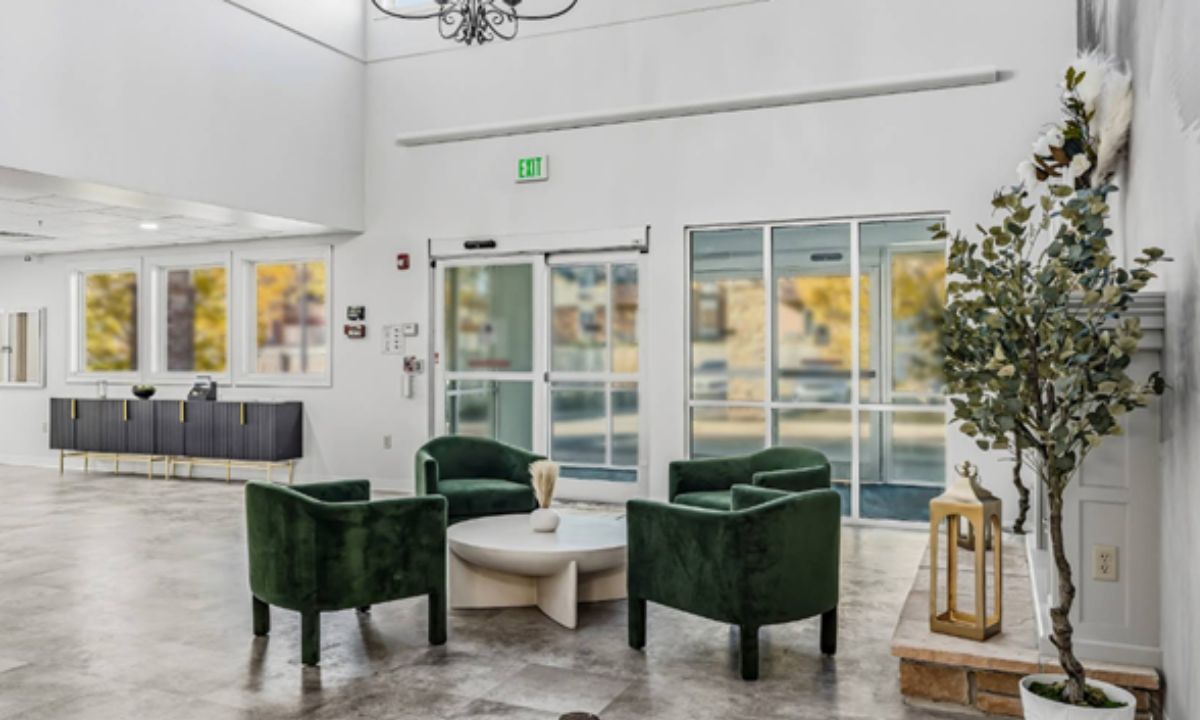
The physical environment can influence how comfortable people feel during treatment. Strive Recovery says its Fort Wayne facility was designed to feel welcoming rather than institutional, with comfortable living areas, therapy spaces, and outdoor areas. Its listed amenities include yoga and meditation areas, basketball and pickleball courts, a salon and music room, a garden path and gazebo, and recreational and peer-social spaces.
These features are intended to give residents opportunities to develop healthy routines and participate in activities outside formal therapy.
For someone entering residential treatment, having access to recreational and social activities can also help make daily life more structured and provide alternatives to patterns associated with substance use.
Treating Addiction and Mental Health Together
Substance use and mental health challenges can occur together, and treating only one side of that equation may leave important issues unaddressed.
Strive Recovery states that it provides care for addiction alongside co-occurring conditions including anxiety, depression, PTSD, and bipolar disorder. Its treatment model emphasizes addressing the individual as a whole rather than focusing exclusively on substance use.
This approach is commonly referred to as dual-diagnosis or co-occurring-disorder treatment. Depending on an individual’s circumstances, care can involve behavioral therapy, psychiatric support, medication management, and recovery education.
Therapy and Practical Recovery Skills
Residential recovery is not simply about living at a treatment center. A structured program should give residents opportunities to understand their substance use, identify triggers, develop coping mechanisms, and prepare for the responsibilities of everyday life.
Strive Recovery identifies several therapeutic and supportive approaches within its programming, including cognitive behavioral therapy (CBT), dialectical behavior therapy (DBT), medication-assisted treatment, life-skills coaching, and vocational support.
CBT can help people examine connections between thoughts, feelings, and behaviors. DBT emphasizes skills such as emotional regulation, distress tolerance, mindfulness, and interpersonal effectiveness.
Life-skills and vocational services extend the focus beyond the treatment setting by helping individuals prepare for practical responsibilities and greater independence.
The Importance of Structure During Early Recovery
Early recovery can involve significant changes in daily habits.
A person may need to establish healthier sleeping patterns, learn how to manage stress without substances, rebuild relationships, and develop strategies for dealing with triggers. A residential environment can provide a predictable schedule during this transition.
Strive’s residential approach combines treatment with community living, giving residents opportunities to participate in therapy, recovery planning, peer activities, and everyday routines. The center describes its model as providing a clear path through different levels of care based on individual needs.
The goal is not simply to remain in a structured environment indefinitely, but to develop skills that can eventually be used in less structured settings.
From Detox to Residential Treatment
For some individuals, residential care follows medically monitored detoxification.
Detox and residential treatment serve different purposes. Detox focuses primarily on safely managing withdrawal and stabilizing the individual, while residential treatment provides a longer period of structured therapeutic and recovery-focused care.
Strive Recovery lists medically monitored detox and residential treatment among its services, allowing treatment planning to be adjusted according to an individual’s needs.
The center also describes inpatient treatment as an intensive program that can include medical support, therapy, counseling, and personalized recovery planning.
Because withdrawal can carry medical risks depending on the substance involved and the individual’s health, detox should be undertaken under appropriate professional supervision.
Preparing for the Next Stage of Recovery
Residential treatment is only one part of a longer recovery process.
As an individual’s needs change, treatment may transition toward partial hospitalization, intensive outpatient care, or sober living. Strive Recovery identifies these services as part of its continuum of care, although its Fort Wayne website currently lists PHP and IOP as coming soon.
This step-down approach can help individuals gradually take on more independence while maintaining professional and peer support.
Planning for the transition is particularly important because returning to normal responsibilities can introduce new challenges. Employment, family relationships, housing, transportation, and social environments may all affect a person’s ability to maintain recovery.
Building Community Into Recovery
Addiction can sometimes become an isolating experience. A person may withdraw from family members, friends, coworkers, and other sources of support.
Residential treatment provides an opportunity to reconnect with people in a structured environment.
Strive Recovery highlights community and connection as central elements of its approach. Its published success stories describe former clients discussing peer relationships, structure, and the sense of community they experienced during treatment.
Peer support does not replace professional treatment, but relationships formed during recovery can provide encouragement and accountability.
Access and Insurance
Cost and insurance coverage are important considerations when evaluating residential treatment.
Strive Recovery states that it works with major insurance carriers and provides a simplified Medicaid process for government-sponsored rehabilitation.
Third-party listings also identify Medicaid and several private insurance providers associated with the facility, while advising prospective patients to verify current coverage directly.
Insurance participation and benefits can change, so families should confirm eligibility, deductibles, authorization requirements, and covered services before beginning treatment.
A Fort Wayne-Based Option for Residential Recovery
The location of a treatment center can matter for families who want to remain connected to their support networks while receiving structured care.
Strive Recovery’s Fort Wayne facility is located at 3320 E State Blvd, Fort Wayne, IN 46805. The organization describes Fort Wayne as a community that provides access to healthcare infrastructure and support services while offering a residential environment away from the distractions of a larger metropolitan area.
For residents of northeast Indiana and surrounding communities, a local residential program can provide an option for receiving intensive treatment without necessarily traveling far from family and existing support systems.
What Families Should Ask Before Choosing Residential Treatment
Every treatment center is different, and families should evaluate programs according to the individual’s circumstances.
Questions worth asking include:
- What level of care is appropriate?
- Is medical detox available when needed?
- How is co-occurring mental health treatment handled?
- What therapies are provided?
- How much structure is included in the daily schedule?
- What medical and behavioral support is available?
- What happens after residential treatment?
- Which insurance plans are accepted?
- How are family visits handled?
- What does discharge and continuing-care planning involve?
Having clear answers can help families determine whether a particular program is appropriate.
Residential addiction treatment provides more than a place to stay. For people who need intensive structure, it can create an environment where medical care, therapy, recovery education, peer support, and everyday routines come together.
The Strive Drug Rehab Fort Wayne, IN program provides residential treatment in a home-like environment while addressing substance use and co-occurring mental health conditions. Its published services include detox, residential care, evidence-based therapies, medication-assisted treatment, life-skills coaching, and vocational support.
For anyone considering treatment, the appropriate level of care should be determined through a professional assessment. Residential treatment is not necessarily the right choice for everyone, but for individuals who need a structured live-in environment, it can provide an important foundation for beginning recovery and developing the skills needed for the next stage of life.
Contributed by Dan Rose, A Senior Local Business Guide Specializing in Drug Rehabilitation in Fort Wayne Indiana. Contact The Strive team now at: Strive Recovery Fort Wayne 3320 E State Blvd, Fort Wayne, IN 46805, 260-261-2663
 Admin
Admin