
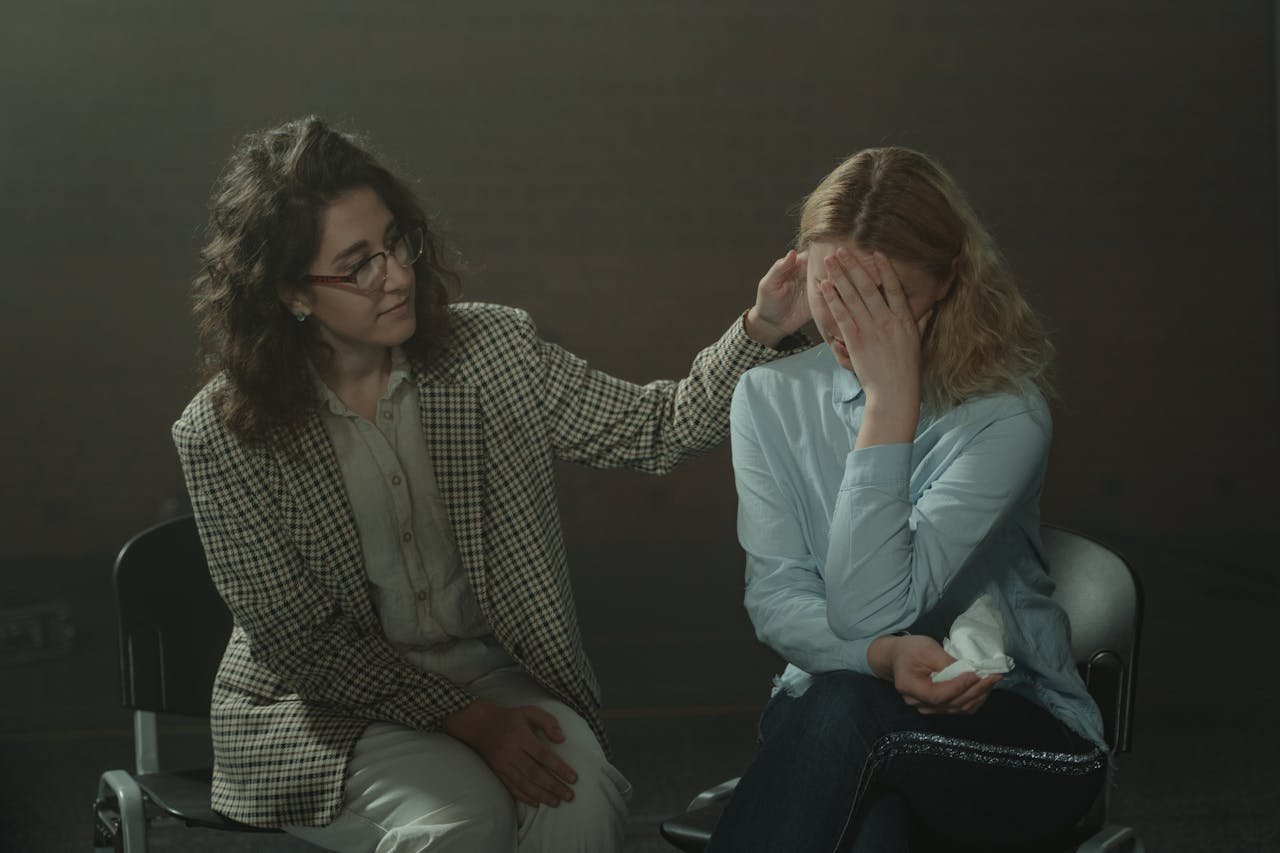
Living with chronic fear and anxiety is utterly exhausting. It is like your mind has a faulty alarm system that blares at full volume, even when there is no danger. You might lie in bed with your heart pounding, your thoughts racing through every possible worst-case scenario, while your body remains tensed for a fight that never comes. If you are navigating the turbulent waters of an anxiety disorder, panic attacks, or persistent irrational fears, you know this isn’t just “worrying too much.” It is a physiological takeover. While traditional therapies and medications are crucial pillars of treatment, many are turning to gentle, drug-free companions to support their journey. One such practice gaining recognition in both holistic wellness and integrative medicine is Reiki healing for chronic fear and anxiety.
This article serves as a comforting bridge between the ancient wisdom of energy healing and the biological reality of chronic stress. We will explore how this non-invasive practice doesn’t just mask symptoms but works on a deeper level to help quiet the noise, release stuck emotional energy, and guide your system from a state of hyper-vigilance to deep, restorative calm.
Understanding the Energetic Anatomy of Fear
To understand how Reiki can help, we first have to look at how the body holds fear. Traditional Chinese Medicine and other energy healing systems have long taught that our bodies are animated by a life force energy (known as Ki in Japanese or Qi in Chinese). This energy flows through pathways and centers, sustaining our physical and emotional health. When we experience trauma, prolonged stress, or chronic worry, it creates emotional blockages in this flow. Think of it like a river: where the water flows freely, it is clear and vibrant. But when debris dams the current, the water becomes stagnant and murky.
Chronic fear creates just such a dam. It keeps us locked in the fight-or-flight response, flooding our system with stress hormones like cortisol and adrenaline. Over time, this constant state of emergency depletes our reserves, leading to mental fog, physical tension, and emotional volatility. Reiki practitioners believe this state of being creates a dense, stuck energy pattern in the body’s biofield. The goal of Reiki isn’t to fight this energy, but to gently encourage it to move, to untangle the frayed wires, and restore the natural, harmonious flow of the body’s energy system.
What is Reiki Healing? A Gentle Introduction
Reiki (pronounced Ray-key) is a Japanese healing technique founded on the principle that a practitioner can channel energy into a patient by means of touch or hovering hands, activating the natural healing processes of the patient’s body. The word Reiki comes from two Japanese words: Rei, meaning “universal,” and Ki, meaning “life force energy.”
During a session, you remain fully clothed, usually lying on a table or sitting comfortably. The practitioner places their hands lightly on or just above specific areas of your body, often in a sequence of positions from head to feet. There is no manipulation, no pressure, and no discomfort. Most people report sensations of warmth, tingling, or a profound sense of peace. It is a deeply restful experience that allows the body to enter a state of receptivity and balance. Importantly, Reiki is a complementary medicine approach. It works alongside conventional medical and psychological care, not as a replacement .
The Science of Quiet: How Reiki Calms the Nervous System
While the concept of “energy” can feel abstract, the effects of Reiki on the body are becoming increasingly measurable. The primary mechanism by which Reiki provides anxiety relief is through its profound impact on the autonomic nervous system.
Moving from Fight-or-Flight to Rest-and-Digest
When anxiety is chronic, the parasympathetic nervous system (the one responsible for “rest and digest”) is often suppressed, while the sympathetic nervous system (“fight-or-flight”) is overactive. Research suggests that Reiki actively helps to reverse this imbalance. A pivotal study published in the Journal of Alternative and Complementary Medicine found that a single Reiki session led to significant physiological changes, including a measurable drop in systolic blood pressure and a decrease in heart rate . These are direct markers of the body shifting into a state of relaxation.
Lowering the Volume on Stress Hormones
Chronic fear is fueled by high levels of cortisol. This hormone, while essential for acute stress, becomes toxic in high amounts over long periods, contributing to anxiety, brain fog, and immune suppression. The same study noted above also examined biochemical markers and found that Reiki contributed to a positive immune response, suggesting a reduction in the physiological stress burden . By encouraging deep rest, Reiki helps turn off the tap of these stress chemicals, giving your mind and body a much-needed break.
A 2024 Perspective on Anxiety Reduction
The evidence base for Reiki continues to grow. A significant 2024 meta-analysis published in BMC Palliative Care rigorously reviewed controlled trials on Reiki and anxiety. The findings were compelling: researchers concluded that short-term Reiki interventions were demonstrably effective in reducing health-related and procedural anxiety in patients with chronic conditions . This isn’t just a placebo effect; the aggregated data showed a statistically significant improvement, reinforcing Reiki’s role as a valid tool for stress reduction .
The Chakra Connection: Balancing the Energy Centers of Fear
Many Reiki practitioners incorporate the concept of chakra balancing into their work. The chakras are the seven main energy centers in the body, each corresponding to specific physical and emotional functions. When it comes to chronic fear and anxiety, two chakras are particularly relevant:
- The Root Chakra (Muladhara): Located at the base of the spine, this is our foundation and the seat of our survival instinct. When we live in a state of chronic fear, this chakra is considered imbalanced or blocked. We feel ungrounded, unsafe, and financially or physically insecure. Reiki work here focuses on sending calming, grounding energy to restore a sense of safety and stability in the world.
- The Solar Plexus Chakra (Manipura): Located in the upper abdomen, this is the seat of our personal power, will, and self-esteem. Anxiety can severely weaken this center, leaving us feeling powerless, indecisive, and easily overwhelmed. Reiki directed here helps to clear stagnation, empowering you to feel more in control of your life and reactions.
By working on these energy centers, Reiki aims to dissolve the energetic roots of fear, allowing you to feel more centered, secure, and resilient.
What to Expect from a Professional Session
If you are considering finding a practitioner for Reiki healing for chronic fear and anxiety, knowing what to expect can ease any apprehension.
The Initial Consultation: A good practitioner will begin with a brief conversation. They will ask about your reasons for seeking Reiki, your health history, and your specific symptoms. This is a good time to mention your struggles with anxiety so they can tailor the session to your needs.
The Session Itself: You will lie down on a massage table, fully clothed. Soft, ambient music may play. The practitioner will start at your head and move down to your feet, placing their hands in a series of 12 to 15 positions. They might hold a position for 3 to 5 minutes. You may feel heat, coolness, or pulsing from their hands, or you may feel nothing at all except deep relaxation. Some people drift off to sleep, while others enter a meditative state where they process thoughts and emotions.
After the Session: It is common to feel deeply relaxed, almost drowsy. Some people report feeling lighter, clearer, or emotionally moved. It is important to drink plenty of water afterward to aid the body’s detoxification and integration process. It’s also wise to keep your schedule light after a session to allow the calm to settle in.
Self-Care with Reiki: Simple Practices for Home
You don’t have to visit a practitioner to benefit from the principles of Reiki. Learning self-Reiki is a powerful way to manage anxiety in your daily life. It is a form of mindfulness that combines intention, breath, and touch. Here is a simple, five-minute practice you can do right now, inspired by techniques from Duke Integrative Medicine and mindbodygreen :
- Find Your Center: Sit or lie down in a comfortable position where you won’t be disturbed. Place one hand on your heart and the other on your belly. Close your eyes if it feels comfortable.
- Breathe: Take a few deep, slow breaths. Inhale peace, exhale tension. Allow your breath to find its own natural, easy rhythm.
- The Mind Position (2 minutes): Gently move your hands to cradle the back of your head, supporting your skull. Imagine a warm, soothing energy flowing from your palms into your mind. Visualize this energy gently untangling the racing thoughts, the worries, and the “what ifs.” See your mind filling with a soft, calm light.
- The Heart Position (2 minutes): Bring your hands down to rest over your heart. Again, imagine that healing energy flowing from your hands into your heart space. Picture your heart releasing any heaviness, fear, or stress. Feel it softening and expanding with each breath.
- Return: Slowly bring your awareness back to the room. Gently wiggle your fingers and toes. When you feel ready, open your eyes.
This simple act of placing your own hands on your body is a profound gesture of self-compassion. It signals to your nervous system that you are safe and cared for.
Integrating Reiki into Your Holistic Wellness Plan
Reiki shines brightest when used as part of a comprehensive approach to mental health. It is not a magic bullet, but it is an incredibly effective lubricant for the wheels of healing. By reducing the intensity of the fight-or-flight response, Reiki can make other therapeutic interventions more accessible. For instance, you may find it easier to practice meditation or process trauma in talk therapy after a session because your nervous system is more regulated .
When combined with other modalities like cognitive-behavioral therapy, exercise, and proper nutrition, Reiki helps to treat the whole person—mind, body, and spirit. It supports the body’s innate ability to heal itself, offering a gentle, side-effect-free path toward resilience and peace .
Conclusion
Chronic fear and anxiety can make you feel trapped in your own mind, a prisoner to a relentless internal alarm. Reiki healing for chronic fear and anxiety offers a different path. It doesn’t rely on force or willpower, but on gentle surrender and the innate intelligence of your own body to seek balance. By calming the hyperactive nervous system, reducing stress hormones, and dissolving energetic blockages, Reiki provides a safe harbor from the storm. Whether you seek out a professional practitioner or simply begin placing your hands on your heart in a moment of distress, you are taking a step toward reclaiming your peace. It is a reminder that beneath the noise and the fear, there is a quiet, steady place of calm within you—waiting to be rediscovered. Consult with your healthcare provider about how Reiki might fit into your personal wellness journey.
You May Also Like: Cognitive Behavioral Therapy for Anxious Attachment Style