 By Admin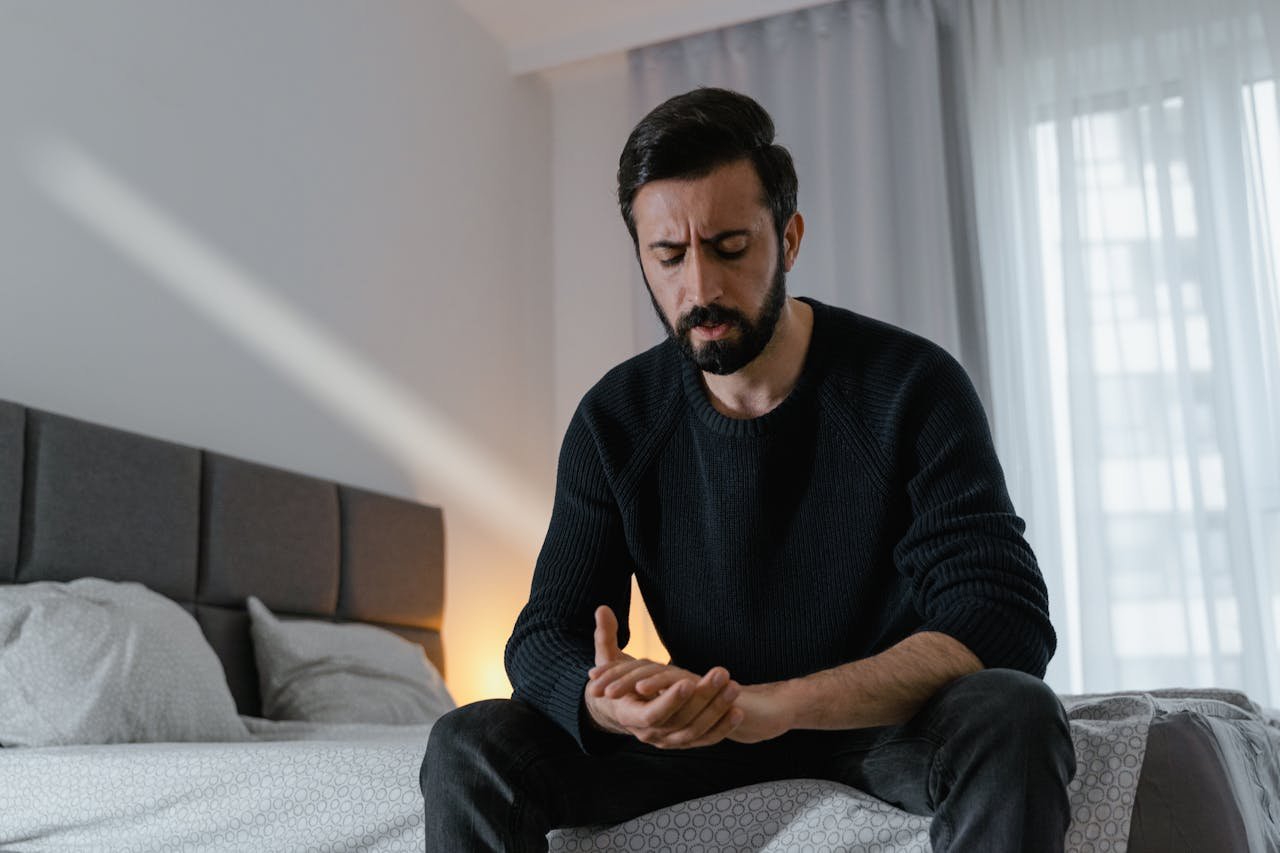
Do you wake up with a racing heart, a sense of dread, or intrusive thoughts that make starting your day feel overwhelming? You’re not alone: research shows that up to 40 percent of people with generalized anxiety disorder experience heightened symptoms in the morning, often linked to the body’s natural cortisol awakening response. This article offers a science-backed guide to help you break free from this cycle. We’ll explore the biological reasons behind morning anxiety, like the adrenaline surge from high cortisol, and provide practical steps to reclaim your mornings. Imagine greeting the day with calm instead of chaos. With empathy and evidence-based tools, you can reduce the shame and fear that often accompany these feelings, building a supportive morning routine that fosters relief and resilience.
What Causes Morning Anxiety?
Morning anxiety can feel paralyzing, like an internal alarm clock that jolts you awake with worry. But understanding its roots can help diminish the fear. At its core, this experience often stems from the cortisol awakening response, a natural spike in the stress hormone cortisol that occurs shortly after waking to prepare your body for the day. This response is adaptive in small doses, boosting alertness and energy. However, for those with high-stress lifestyles or generalized anxiety disorder (GAD), it can amplify into an overwhelming adrenaline surge, leading to symptoms like a racing heart or intrusive thoughts.
Biologically, cortisol levels peak about 30 to 45 minutes after waking, influenced by your circadian rhythm. If you’ve had poor sleep or chronic stress, this spike can feel more intense, triggering the sympathetic nervous system (your “fight or flight” mode) instead of easing into the parasympathetic nervous system for rest and recovery. Factors like low blood sugar from overnight fasting or caffeine habits can worsen it, creating a cycle where dread builds anticipation for the next morning.
For high-stress professionals, students, or anyone prone to morning cortisol spikes, this isn’t a sign of weakness: it’s your body’s response to accumulated stressors. A 2023 study in The Journal of Clinical Psychiatry highlighted how disrupted sleep patterns exacerbate this, but simple adjustments can help. By demystifying these causes, we reduce the shame. You’re not “just anxious”: your biology is at play, and with targeted strategies, you can shift toward calmer starts.
The Science of Breaking the Cycle
Breaking the morning anxiety cycle involves addressing both the mind and body. Science shows that interventions targeting the parasympathetic nervous system, like vagus nerve stimulation, can counteract cortisol’s effects by promoting relaxation. Techniques from cognitive behavioral therapy (CBT) help reframe intrusive thoughts, while lifestyle tweaks reduce physiological triggers.
Think of it as building a toolbox: each tool, backed by research, helps interrupt the adrenaline surge. For instance, mindfulness meditation has been shown in randomized trials to lower anxiety symptoms in GAD by up to 30 percent. Similarly, optimizing nutrition with low glycemic index foods stabilizes blood sugar, preventing energy crashes that fuel stress.
This guide focuses on a five-step approach, designed for beginners seeking morning anxiety relief without medication. We’ll use relatable examples, like picturing your mind as a busy highway where you learn to direct traffic calmly. These steps are practical, not another chore: they’re invitations to nurture yourself.
Step 1: Validate and Understand Your Anxiety
The first step is compassion: acknowledge that morning anxiety is real and not your fault. When you wake with dread, pause and say to yourself, “This is my body’s cortisol awakening response kicking in, and it’s okay to feel this way.” This validation breaks the self-perpetuating cycle where worrying about anxiety heightens it further.
Consider Sarah, a busy professional who wakes up replaying yesterday’s meetings. By validating her feelings, she reduces shame, allowing space for change. A 2024 study in Psychiatry Research found that self-compassion practices lower cortisol reactivity in stressed individuals.
Start small: journal three things you’re grateful for upon waking. This shifts focus from dread to positivity, engaging the parasympathetic nervous system. Over time, this reframes your mindset, making mornings feel less threatening.
Step 2: Optimize Your Sleep Hygiene
Poor sleep amplifies morning cortisol spikes, so building strong sleep hygiene is crucial. Aim for 7 to 9 hours nightly, going to bed and waking at consistent times to regulate your circadian rhythm.
Create a wind-down routine: dim lights an hour before bed, avoid screens (their blue light suppresses melatonin), and sip herbal tea. For those with GAD, this prevents the adrenaline surge from fragmented sleep.
One patient story: Alex, a student, struggled with late-night scrolling. By setting a “tech curfew,” he improved sleep quality, noticing reduced morning panic. Research from the National Sleep Foundation supports this, linking consistent routines to lower stress hormones. (For more, check our Dietary Tips for Brain Health.)
Step 3: Activate Your Parasympathetic Nervous System with Breathing and Vagus Nerve Stimulation
Upon waking, counter the adrenaline surge with deep breathing to stimulate the vagus nerve, which promotes calm. Try the 4-7-8 technique: inhale for 4 seconds, hold for 7, exhale for 8. This lowers heart rate and cortisol quickly.
Humming or chanting also works, vibrating the vocal cords to engage the vagus nerve. A 2023 trial in Frontiers in Psychology showed these exercises reduce anxiety by 25 percent in beginners.
Imagine easing into your day like a gentle wave: one deep breath at a time. For high-stress folks, combine with cold water splashes on the face, another vagus stimulator that resets the nervous system.
Step 4: Incorporate Mindfulness Meditation and Cognitive Behavioral Therapy Techniques
Mindfulness meditation trains your brain to observe thoughts without judgment, breaking the cycle of intrusive worries. Start with 5 minutes: focus on your breath, gently redirecting wandering thoughts.
Blend in CBT: identify “thinking traps” like catastrophizing (“Today will be awful”). Challenge them with evidence (“I’ve handled tough days before”). A JAMA study found CBT reduces GAD symptoms by reframing thoughts.
For example, if dread hits, ask: “What’s the evidence for this fear?” This empowers you, turning mornings into opportunities for growth. Apps like Headspace offer guided sessions tailored for morning routines.
Step 5: Fuel Your Body with a Balanced Morning Routine and Nutrition
End the cycle with action: craft a gentle morning routine and choose low glycemic index foods to stabilize blood sugar and cortisol. Opt for Greek yogurt with berries and nuts: this combo provides protein and fiber without spikes.
Incorporate light movement, like a 10-minute walk, to release endorphins. A study in The Lancet showed regular routines lower anxiety long-term.
Tie it together: hydrate, eat mindfully, and set one small goal. This builds momentum, reducing dread. For more ideas, link to our Managing High Cortisol Naturally.
Common Pitfalls and How to Overcome Them
Even with the best plans, setbacks happen. One common pitfall is perfectionism: if a step feels overwhelming, start smaller. For instance, if meditation seems daunting, begin with one mindful breath.
Emotional hurdles, like guilt over “not doing enough,” can arise. Counter this with CBT: remind yourself progress is gradual. If anxiety persists, seek professional help, as GAD may benefit from therapy.
External links: Visit the National Institute of Mental Health for GAD resources (nimh.nih.gov/health/topics/generalized-anxiety-disorder).
Reclaiming Your Mornings: Long-Term Strategies
Sustaining change requires consistency. Track your progress in a journal, noting reduced racing heart episodes. Over weeks, these steps rewire your brain via neuroplasticity, making calm habitual.
Incorporate weekly check-ins: adjust as needed. A 2024 review in Psychological Medicine confirmed combined approaches like CBT and mindfulness yield lasting relief.
Remember, you’re building resilience: each calm morning is a victory.
You’ve now got tools to break the morning anxiety cycle: validate, optimize sleep, breathe deeply, meditate with CBT, and nourish wisely. These steps empower you to start days with hope. Consult a licensed therapist for personalized support, harnessing your body’s potential for peace.
You May Also Like: 5 Ways Therapy for Anxious Avoidant Attachment Changes Lives