 By Admin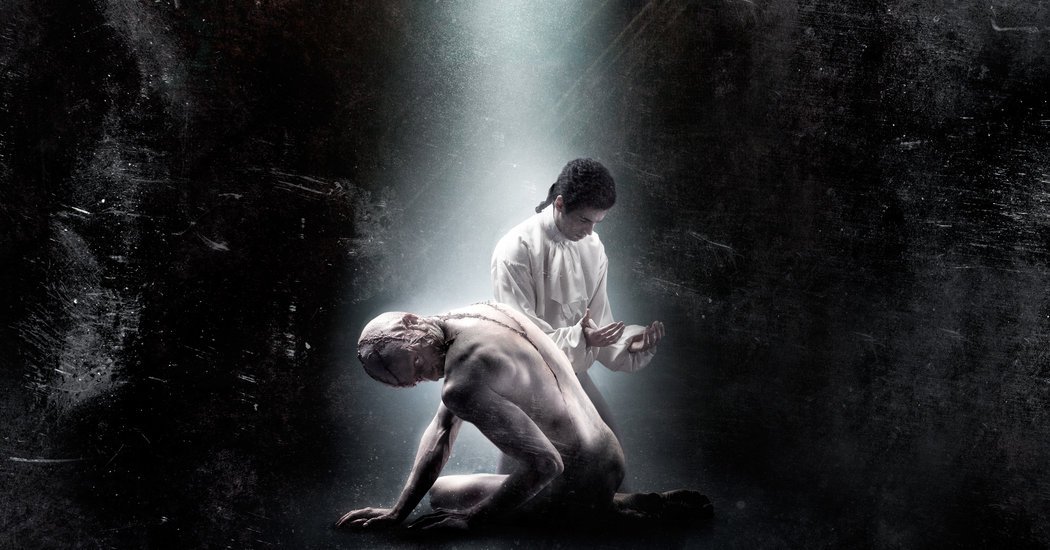
Did you know that Mary Shelley wrote Frankenstein amid profound personal losses, including the death of her mother and several children? This classic Gothic novel, often seen as a tale of horror, delves deeply into the human psyche. In this article, we explore grief and psychology in Frankenstein, showing how Shelley uses the psychological stages of grief to propel the plot and shape her characters. Victor Frankenstein’s mad pursuit of science stems from his unresolved mourning for his mother, while the Creature’s rage reflects the pain of abandonment. By blending literary analysis with insights from modern psychology, we offer a compassionate view of these themes, reminding us that trauma can turn inner demons into literal monsters. Whether you are a student dissecting Romanticism or someone grappling with loss, this piece highlights the empathy at the heart of Shelley’s work.
Mary Shelley’s Life: Trauma Shaping a Masterpiece
Mary Shelley faced immense sorrow from a young age, which seeped into her writing. Born in 1797, she lost her mother, the feminist writer Mary Wollstonecraft, just days after birth due to complications. This early maternal loss haunted Shelley, who later endured the deaths of three children and her husband, Percy Shelley, in a boating accident. These experiences of bereavement fueled Frankenstein, published anonymously in 1818 when she was only 20. Scholars note that Shelley’s personal trauma influenced the novel’s exploration of creation and loss, turning her grief into a narrative about defying death.
Imagine a young woman, surrounded by intellectuals like Lord Byron and her husband, challenged to write a ghost story during a stormy summer in 1816. What emerged was not just horror, but a profound meditation on parental abandonment. Shelley’s own feelings of orphanhood mirror Victor’s obsession with reanimating life, a desperate bid to conquer mortality. As one analysis points out, her fantasy of reviving the dead stems from regret and helplessness. This personal lens adds depth, showing how unresolved grief can inspire art that resonates across centuries.
For those interested in Romanticism, Shelley’s work embodies the era’s focus on emotion and the sublime. Yet, her story goes beyond: it critiques how society handles loss.
Impact of Maternal Loss in Frankenstein
The long-tail keyword impact of maternal loss in Frankenstein captures a core element. Victor’s mother, Caroline Beaufort, dies from scarlet fever just before he leaves for university. This event triggers his spiral. In the novel, Victor describes her death as a “irreparable evil,” pushing him toward studies in natural philosophy to “banish disease from the human frame.” Psychologically, this reflects denial, the first stage in models like Elisabeth Kübler-Ross’s five stages of grief, though Shelley predates such frameworks.
Shelley weaves her own maternal void into this. Having never known her mother, she projected that ache onto Victor, whose creation becomes a malformed attempt at parenthood. Critics argue this shows pathological mourning, where grief festers without resolution. A 1999 study on the Dual Process Model of Bereavement by Stroebe and Schut explains this oscillation between confronting loss and avoiding it, mirroring Victor’s manic work. He dives into restoration-oriented tasks, like building the Creature, to escape emotional pain.
Rhetorically, have you ever thrown yourself into a project to dodge heartache? Victor does just that, but it backfires. His breakdown after animating the Creature, marked by fever and delirium, illustrates how suppressed trauma erupts. This humanizes him: not a villain, but a man crippled by loss.
Victor Frankenstein’s Psychological Breakdown
Victor’s arc embodies Victor Frankenstein’s psychological breakdown, driven by grief’s stages. Initially, denial propels his experiments. He isolates himself, ignoring friends and family, a classic avoidance tactic. Modern psychology links this to complicated grief, where normal mourning turns chronic.
As the story unfolds, anger surfaces. Victor rages at his creation, abandoning it immediately. “I had desired it with an ardour that far exceeded moderation; but now that I had finished, the beauty of the dream vanished, and breathless horror and disgust filled my heart.” This shift from idealization to revulsion highlights psychological displacement, projecting his self-loathing onto the Creature.
Bargaining follows: Victor promises to create a companion, only to destroy it, fearing more chaos. Depression hits hard after losses like his brother William and friend Henry Clerval, murdered by the Creature. He wanders, suicidal, embodying melancholy in Romantic terms. Finally, acceptance eludes him; he dies pursuing revenge, his grief unresolved.
Unresolved Grief Creates Monsters
The phrase how unresolved grief creates monsters fits Victor perfectly. His “mad science” is a failed coping mechanism. Instead of grieving his mother healthily, he defies nature, birthing horror. Trauma-informed criticism views this as a metaphor for post-traumatic stress, where past wounds dictate destructive actions.
Consider a real-world parallel: anonymized patient stories from therapy show how unaddressed loss leads to obsession. One individual, after losing a parent, poured energy into work, neglecting relationships, much like Victor. Shelley, intuitively, captures this cycle.
The Creature’s Search for Identity Through Grief
Shifting focus, the Creature’s search for identity through grief reveals another layer. Abandoned at “birth,” the Creature experiences primal rejection. He learns language and empathy by observing the De Lacey family, only to face horror upon revealing himself. This mirrors attachment theory: without secure bonds, one develops insecurity.
His grief stages differ. Initial confusion gives way to anger, fueling murders as retaliation. “I, like the arch-fiend, bore a hell within me.” Bargaining occurs when he demands a mate from Victor. Depression follows isolation, and his final act – planning self-immolation – suggests a tragic acceptance.
This arc critiques society: the Creature’s “monstrosity” stems from nurture, not nature. Bereavement cycles trap him, turning potential goodness into vengeance.
Mary Shelley’s Personal Trauma in Her Writing
Tying back, Mary Shelley’s personal trauma in her writing infuses authenticity. Her losses parallel the Creature’s orphanhood. As one scholar notes, the novel processes her grief through fiction. This therapeutic aspect makes Frankenstein timeless.
Rhetorically, what if society embraced the “other”? Shelley’s empathy urges us to see beyond appearances.
Trauma-Informed Criticism of Gothic Literature
Through trauma-informed criticism, Frankenstein transcends horror. Gothic elements like the uncanny – familiar yet strange – evoke psychological unease. Freud’s concept applies: the Creature is Victor’s repressed shadow.
In broader Gothic literature, trauma drives plots. Shelley’s innovation: linking it to moral psychology. Victor’s hubris ignores ethical duties, amplifying suffering.
A 2023 study in pastoral psychology examines male pathological grief in Frankenstein, linking it to cultural norms. This underscores moral psychology: unchecked ambition harms self and others.
Psychological Analysis of Gothic Literature
Psychological analysis of Gothic literature reveals Frankenstein as a study in displacement. Characters project inner turmoil outward, creating cycles of violence.
For fans, explore Themes of Isolation in Classic Horror. The CDC’s page on mental health at cdc.gov/mentalhealth offers modern parallels.
Moral Psychology and Lessons from Frankenstein
Finally, moral psychology in the novel questions responsibility. Victor’s denial of paternity dooms both. The Creature pleads: “I am thy creature; I ought to be thy Adam, but I am rather the fallen angel.”
This humanizes horror: grief, if ignored, breeds destruction. Shelley advocates empathy, a message for today’s divided world.
In summary, Frankenstein uses grief to explore human frailty. Victor and the Creature’s journeys show how trauma warps identity and morality. Yet, hope lies in recognition: facing pain can prevent monstrosity.
Consult a licensed therapist if grappling with loss, or join literary discussions to process classics like this. Revisit Shelley’s work with fresh eyes; it might heal old wounds.
You May Also Like: RN Mental Health Online Practice 2023 B