 By Admin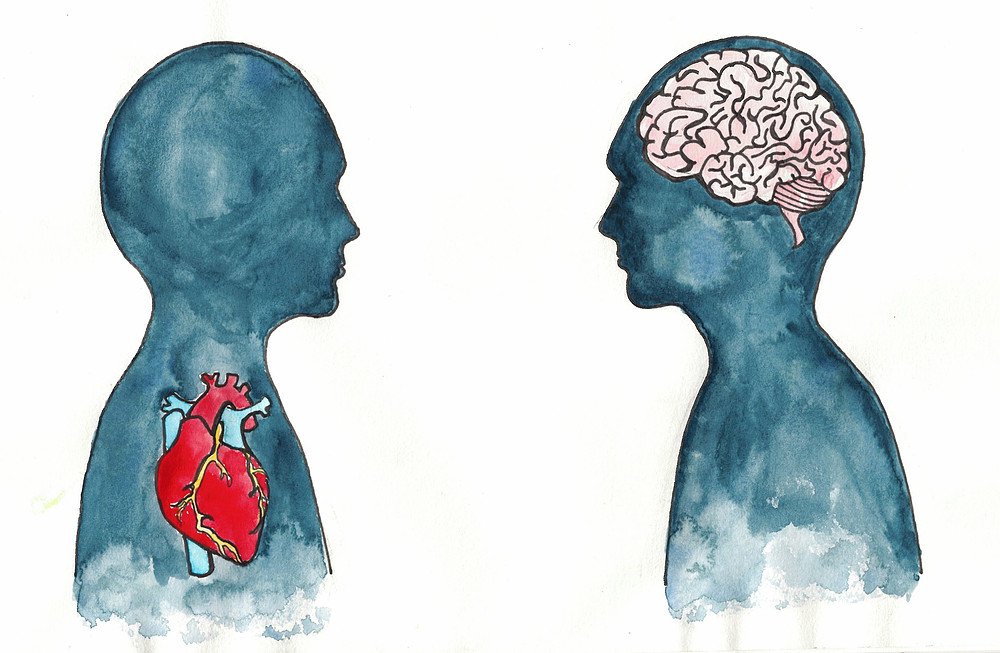
Have you ever felt mentally drained yet emotionally stable, or mentally sharp but emotionally volatile? You’re not alone. Many people use the terms “mental health” and “emotional health” interchangeably, but understanding their distinct roles is crucial for true psychological well-being. Think of your mind as a house: your mental health is the foundation and structure, while your emotional health is the daily weather inside—the temperature, the light, the atmosphere. Both are essential, and both require care. This article will guide you through the key differences and profound connections between these two pillars of wellness, empowering you with practical strategies to nurture both. By the end, you’ll have a clearer map of your inner world and actionable steps to build a more resilient, balanced you.
What is Mental Health? The Foundation of Your Cognitive Well-Being
Mental health is the broad umbrella term for your overall psychological well-being. It encompasses your cognitive functions—how you think, process information, make decisions, and problem-solve. It’s the foundation of your mental “house.” When your mental health is strong, you can think clearly, concentrate effectively, learn new things, and make sound judgments.
Key aspects of mental health include:
- Cognitive Function: This is your brain’s processing power. It involves memory, attention, executive function (planning and organizing), and your ability to learn.
- Psychological State: This refers to your overall mind-state, including the presence or absence of diagnosed mental disorders like anxiety disorders, depression, or OCD.
- Belief Systems: Your core beliefs about yourself, others, and the world are a part of your mental framework.
In essence, mental health is the hardware and operating system of your mind. When it’s compromised, it can affect your ability to function in daily life, regardless of how you’re feeling in any given moment.
What is Emotional Health? The Art of Navigating Your Feelings
If mental health is the structure, emotional health is the lived-in experience of that structure. It’s your ability to manage, express, and understand your emotions effectively. Emotional health is all about your relationship with your feelings. It involves being aware of your emotions, understanding where they come from, and knowing how to handle them without being overwhelmed.
Core components of emotional health include:
- Emotional Intelligence: The ability to identify, use, understand, and manage your own emotions in positive ways to relieve stress, communicate effectively, and empathize with others.
- Mood Regulation: Your capacity to influence which emotions you have, when you have them, and how you experience and express them.
- Resilience: The ability to bounce back from emotional pain, stress, and adversity.
- Coping Skills: The specific tools and strategies you use to deal with emotional triggers and life’s challenges.
A person with strong emotional health can feel sadness without falling into despair, experience anger without lashing out, and sit with discomfort without needing to immediately escape it. They have a healthy flow of emotions.
The Key Differences: A Side-by-Side Comparison
To make the distinction crystal clear, let’s look at them side-by-side.
| Aspect | Mental Health | Emotional Health |
|---|---|---|
| Primary Focus | Thinking, cognition, and overall brain function | Feelings, expression, and regulation of emotions |
| Scope | Broad; includes diagnosable conditions | Specific; a subset of overall mental health |
| Key Question | “How well can I think and process information?” | “How well can I manage and understand my feelings?” |
| When It’s Struggling | May show as confusion, poor concentration, irrational thoughts, psychosis | May show as outbursts, emotional numbness, inability to cope with stress |
| Example | A person with depression may struggle with cognitive function, experiencing “brain fog” and an inability to concentrate. | A person with poor emotional health may not understand why they feel angry and take it out on their partner. |
Think of it this way: Your mental health allows you to logically understand that a work deadline is stressful. Your emotional health determines whether you manage that stress with deep breathing and a plan, or with panic and overwhelm.
How Mental and Emotional Health Are Deeply Interconnected
While distinct, these two facets of your well-being are in a constant, intimate dance. They influence each other profoundly. You cannot have good mental health without a solid foundation of emotional health, and vice-versa.
- Your Thoughts Influence Your Feelings: A negative thought pattern (“I’m going to fail”) can trigger a cascade of difficult emotions (anxiety, dread). This is a core principle of Cognitive Behavioral Therapy (CBT).
- Your Feelings Influence Your Thoughts: When you’re feeling emotionally raw or exhausted, your cognitive function can suffer. It’s hard to think clearly when you’re flooded with anger or sadness.
- The Vicious Cycle: Poor mental health can lead to poor emotional regulation. For instance, someone with anxiety might have racing thoughts (mental) that lead to panic attacks (emotional). Conversely, chronic inability to manage emotions can lead to mental health conditions like depression.
This interconnectedness is why whole-person care is so essential. Treating one without addressing the other is like fixing a leaky roof but ignoring the flooded basement.
Signs of Imbalance: Mental vs. Emotional Distress
Learning to identify where your struggles are originating can be the first step toward getting the right help.
Signs of Declining Mental Health
- Persistent worrying or fear
- Confused thinking or reduced ability to concentrate
- Prolonged sadness or irritability
- Extreme mood swings
- Social withdrawal
- Significant changes in eating or sleeping habits
- Inability to cope with daily problems
- Thoughts of self-harm or suicide (If you are having suicidal thoughts, please contact the 988 Suicide & Crisis Lifeline immediately.)
Signs of Poor Emotional Health
- Emotional triggers cause intense, disproportionate reactions.
- Feeling “numb” or disconnected from your feelings.
- Relying on substances or other unhealthy behaviors to manage feelings.
- Chronic stress and an inability to relax.
- Frequent conflicts in relationships due to emotional outbursts.
- Low emotional intelligence; you struggle to understand why you or others feel a certain way.
Practical Strategies for Cultivating Total Well-Being
The good news is that both mental and emotional health can be strengthened with practice and, when needed, professional support. Here are actionable self-care practices for each.
Boosting Your Mental Health
- Challenge Your Brain: Learn a new language, do a puzzle, read a complex book. This builds cognitive function and neural pathways.
- Practice Mindfulness: Meditation isn’t just for stress relief. It trains your brain to observe thoughts without getting caught in them, strengthening the “muscle” of your attention.
- Prioritize Sleep: Sleep is non-negotiable for cognitive repair, memory consolidation, and clearing metabolic waste from the brain.
- Fuel Your Brain: A diet rich in omega-3s, antioxidants, and vitamins supports brain health. Check out our guide on [Dietary Tips for Brain Health] for more.
Strengthening Your Emotional Health
- Name It to Tame It: Simply labeling your emotion (“I am feeling anxious”) can reduce its intensity. This is a cornerstone of emotional intelligence.
- Develop a Toolkit of Coping Skills: Instead of reacting, have a go-to list. This could include deep breathing, going for a run, calling a friend, or journaling.
- Validate Your Feelings: Allow yourself to feel what you feel without judgment. Emotions are data, not directives.
- Build Resilience through Exposure: Gently lean into uncomfortable emotions. Tolerating sadness or anxiety without running away builds emotional strength.
When to Seek Professional Support: A Guide to Therapy
Self-care is powerful, but sometimes you need a expert guide. Seeking therapy is a proactive step for your psychological well-being. Here’s how it can help:
- For Mental Health: Therapists can diagnose and treat mental disorders using evidence-based approaches like CBT or medication management (in partnership with a psychiatrist). They can help you restructure distorted thinking patterns.
- For Emotional Health: Therapy is a training ground for emotional intelligence. It provides a safe space to explore your emotional triggers, understand the roots of your feelings, and practice new, healthier coping skills.
You don’t need to be in crisis to benefit from therapy. If your struggles are impacting your work, relationships, or joy in life, it’s a good time to seek support. You can start by talking to your primary care physician or using a resource like the Psychology Today Therapist Directory to find a qualified professional.
Conclusion: Embracing the Whole You
Understanding the difference between mental and emotional health is more than an academic exercise—it’s a practical tool for self-awareness and growth. Your mental health provides the stable foundation for clear thinking, while your emotional health allows you to navigate the ever-changing weather of your feelings with grace and skill. They are two sides of the same coin, both vital for a life of balance and resilience. By nurturing both your cognitive and emotional worlds with the strategies outlined here, you empower yourself to build a richer, more fulfilling life. If you feel stuck, remember that reaching out to a licensed mental health professional is a sign of strength, and the first step toward whole-person care.
You May Also Like: Santa Barbara County Donating to Mental Health Services