
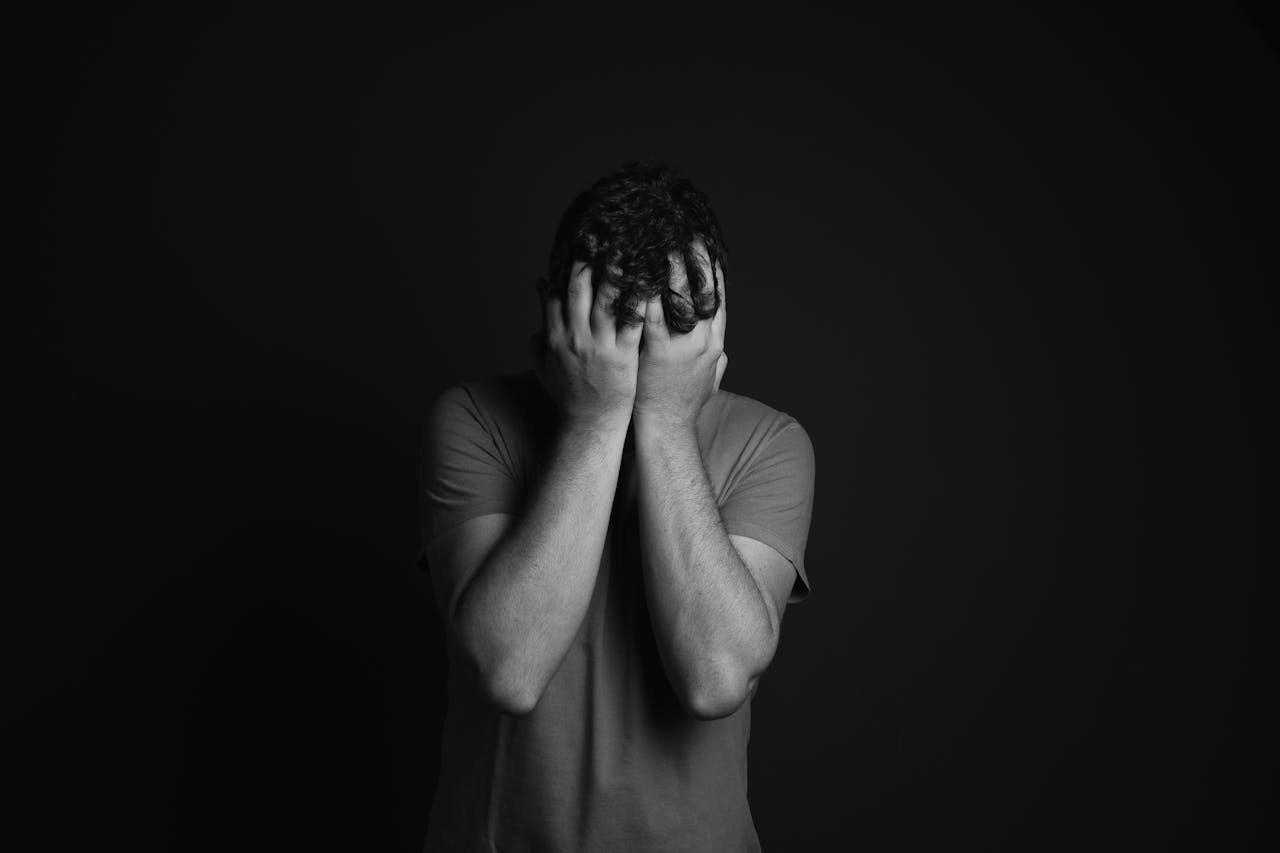
Your heart races. Your chest tightens. A sudden wave of fear washes over you, and you wonder if something is terribly wrong. If you have ever faced sudden physical or emotional distress like this, know that you are not alone and these feelings do not define you. In fact, anxiety disorders affect an estimated 19.1 percent of U.S. adults in any given year, according to the National Institute of Mental Health. Many people struggle to tell whether they are experiencing an anxiety attack or a panic attack, and the confusion can heighten the fear.
This article serves as your compassionate guide to the anxiety attack vs panic attack question. We will clarify the distinct experiences using science-backed insights from the Diagnostic and Statistical Manual of Mental Disorders (DSM-5), explain what happens in your body, and share practical coping tools. Whether you are navigating these moments yourself or supporting a loved one, understanding the differences brings clarity, reduces stigma, and opens the door to real relief. You have the power to respond with knowledge and kindness toward yourself. Let us walk through this together, step by step.
Understanding Your Body’s Natural Alarm System: The Fight-or-Flight Response
When distress hits, your body activates its ancient survival system. The sympathetic nervous system springs into action, flooding your bloodstream with cortisol and adrenaline. This fight-or-flight response prepares you to face danger: your heart beats faster, breathing quickens, and muscles tense. It is a brilliant design meant to protect you from real threats.
In modern life, however, this system can misfire. Psychological stressors or emotional triggers spark the same reaction even when no danger exists. You might notice hyperventilation, dizziness, or chest pain during anxiety attacks. These physical symptoms of distress feel alarming, yet they are your body’s way of signaling high alert. Recognizing this helps you step back and remind yourself: “This is temporary. My body is doing its job, just a bit too enthusiastically right now.”
Learning to work with, rather than against, this response forms the foundation of effective management. Small shifts in awareness can interrupt the cycle and restore calm.
What Is an Anxiety Attack?
The term anxiety attack does not appear in the DSM-5 as a formal diagnosis. Instead, people use it to describe intense episodes of worry or dread that build gradually in response to identifiable stressors. Think of it as an escalation of ongoing anxiety rather than a sudden explosion.
These episodes often connect to specific situations, such as work pressure, relationship concerns, or health worries. Symptoms develop over minutes to hours and may linger for much longer, sometimes days. You might feel restless, irritable, or mentally foggy, with muscle tension and persistent “what if” thoughts.
Consider Sarah, a college student who felt her anxiety mounting for hours before an exam. Her stomach churned, her mind raced with worst-case scenarios, and she struggled to focus. This gradual buildup is typical. While uncomfortable, these experiences usually tie to emotional triggers you can identify and address over time.
Anxiety attacks often overlap with broader mental health disorders like generalized anxiety. They signal that your stress levels need attention, but they rarely peak with the same overwhelming physical force as their counterpart.
What Is a Panic Attack?
In contrast, a panic attack receives clear definition in the DSM-5. It involves an abrupt surge of intense fear or discomfort that reaches a peak within minutes. During this time, at least four specific symptoms appear, often without any obvious trigger.
Common signs include:
- Palpitations, pounding heart, or accelerated heart rate
- Sweating
- Trembling or shaking
- Sensations of shortness of breath or smothering
- Feelings of choking
- Chest pain or discomfort
- Nausea or abdominal distress
- Feeling dizzy, unsteady, lightheaded, or faint
- Chills or heat sensations
- Numbness or tingling
- Derealization (feeling detached from reality) or depersonalization
- Fear of losing control or “going crazy”
- Fear of dying
These attacks can strike anywhere, at any time, even during sleep. They feel like an emergency because the body reacts as if one exists. Yet medical experts confirm they are not life-threatening, though they certainly feel that way in the moment.
John, a 32-year-old teacher, described his first experience: “I was shopping when suddenly my chest hurt, my vision blurred, and I thought I was dying. It came from nowhere.” This sudden onset of fear without a trigger marks the classic panic attack.
Anxiety Attack vs Panic Attack: Key Differences You Need to Know
Spotting the signs becomes easier once you compare the two side by side. The distinctions lie in timing, intensity, and context.
Here is a clear breakdown:
- Onset and Triggers: Anxiety attacks build gradually, usually linked to psychological stressors or emotional triggers. Panic attacks strike suddenly, often with no warning and no clear cause (unexpected type) or in response to a feared situation (expected type).
- Duration of Anxiety Attack vs Panic Attack: Anxiety episodes can last hours or even days as worry lingers. Panic attacks typically peak within 10 minutes and subside within 20 to 30 minutes, though some residual anxiety may follow.
- Intensity: Anxiety feels high but manageable with effort. Panic reaches extreme levels, often including terror of impending doom or death.
- Physical Symptoms of Anxiety Attack vs Panic Attack: Both involve rapid heartbeat or shortness of breath, yet panic produces more dramatic, clustered symptoms that mimic a medical emergency. Chest pain during anxiety attacks tends to feel like tension; during panic, it can feel sharp and urgent.
These differences matter. Understanding them helps you respond appropriately instead of spiraling into more fear. Many people initially mistake panic for a heart issue, which is why professional evaluation brings peace of mind.
Physical Symptoms of Distress: What They Feel Like and Why They Happen
Both experiences activate the same biological pathways, yet the pattern differs. In an anxiety attack, you might notice ongoing muscle tightness, fatigue, and digestive upset tied to sustained worry. Hyperventilation can occur but usually develops slowly.
During a panic attack, symptoms hit all at once and intensely. Your breathing may become rapid and shallow, lowering carbon dioxide levels and worsening dizziness or tingling. Chest pain, sweating, and trembling dominate. These reactions stem directly from the surge of adrenaline and cortisol.
Important note: Always rule out physical causes for symptoms like chest pain. A doctor can help distinguish anxiety-related distress from other conditions. Once cleared, you gain confidence that these sensations are safe, even if frightening.
How to Stop a Panic Attack in the Moment: Proven Techniques That Work
The good news? You can interrupt the cycle. How to stop a panic attack in the moment starts with one powerful truth: the attack will end. Your job is to ride it out safely and calmly.
Follow these steps:
- Acknowledge and label it: Silently say, “This is a panic attack. It is uncomfortable but not dangerous.”
- Focus on slow breathing: Shift from hyperventilation to controlled breaths. Try diaphragmatic breathing: Place one hand on your belly, inhale slowly through your nose for four counts (feeling your belly rise), hold for two, and exhale through your mouth for six. This activates the calming parasympathetic system.
- Use the 4-7-8 technique: Inhale quietly through your nose for four seconds, hold for seven, and exhale completely through your mouth for eight. This method, developed by Dr. Andrew Weil, quickly lowers heart rate. Practice it daily so it becomes automatic during distress.
- Ground yourself with the 5-4-3-2-1 method: Name five things you see, four you can touch, three you hear, two you smell, and one you taste. This pulls your mind back to the present and away from panic thoughts.
- Remind yourself of safety: Repeat: “I am safe. This will pass in minutes.”
These breathing exercises for panic relief directly counteract the fight-or-flight response and have strong evidence behind them. Research, including a 2023 scoping review on breathwork for anxiety disorders, shows they reduce symptoms effectively and quickly. Many people report attacks becoming shorter and less frequent with regular practice.
If you feel one coming on, find a quiet spot if possible, loosen tight clothing, and sip cool water. You are in control more than it feels.
When These Episodes Signal Something More: Panic Disorder and Agoraphobia
Occasional attacks do not equal a disorder. However, if unexpected panic attacks recur and you spend a month or more worrying about the next one or changing your behavior to avoid them, you may meet criteria for panic disorder.
Some people develop agoraphobia, intense fear of situations where escape might be difficult or help unavailable if symptoms strike. This can limit travel, crowds, or even leaving home. The DSM-5 now treats agoraphobia as separate from panic disorder, though they often co-occur.
Early recognition prevents escalation. If attacks interfere with work, relationships, or daily life, professional support makes a profound difference.
The Long-Term Effects of Untreated Panic Disorder and How to Prevent Them
Leaving panic disorder unaddressed can lead to broader challenges. Over time, people may withdraw socially, experience depression, turn to substances for relief, or develop chronic health concerns linked to ongoing stress, such as elevated blood pressure.
Studies show that prompt treatment improves outcomes dramatically. Untreated cases often follow a more persistent course, whereas therapy and lifestyle changes promote lasting recovery. You do not have to wait for things to worsen. Small steps today protect your future well-being.
Building Resilience: Long-Term Strategies and Professional Support
Beyond in-the-moment tools, effective long-term management combines several approaches. Cognitive behavioral therapy (CBT) stands out as highly effective, helping you reframe catastrophic thoughts and gradually face feared sensations safely. Many people become panic-free after completing CBT.
Lifestyle factors matter too: regular exercise, consistent sleep, limited caffeine, and mindfulness practices all strengthen your nervous system. Support groups or apps can provide community and accountability.
If you support a loved one, listen without judgment. Say things like, “I am here with you. This will pass.” Avoid minimizing their experience. Encourage professional care gently.
Supporting a Loved One Through Distress
Watching someone you care about struggle feels helpless. Remember: your calm presence helps more than you realize. Stay with them, use reassuring words, and suggest a breathing exercise together if they are open. Avoid saying “just relax” or rushing them. Instead, validate: “I see this is really hard, and you are handling it.”
Afterward, ask how you can best support them next time. Many families find education reduces fear for everyone involved.
Conclusion
Distinguishing an anxiety attack vs panic attack empowers you with knowledge instead of confusion. You now understand the gradual buildup of anxiety versus the sudden intensity of panic, the shared biology of the fight-or-flight response, and practical ways to respond. These experiences, while frightening, do not have to control your life.
You possess the tools to spot the signs, use breathing exercises for panic relief, and seek help when needed. Recovery and management are absolutely possible. Many people go on to live full, vibrant lives with fewer episodes and greater confidence.
If symptoms feel overwhelming or persistent, consult a licensed mental health professional or your doctor. They can create a personalized plan, rule out other causes, and connect you with effective treatments. You deserve support and relief. Reach out today, take that first step, and remember: you are stronger than these moments, and brighter days lie ahead.
Note: This article provides educational information based on current psychological understanding and is not a substitute for professional medical or mental health advice. If you experience chest pain or other concerning symptoms, seek immediate medical evaluation.
You May Also Like: How to Break the Cycle of Morning Anxiety