
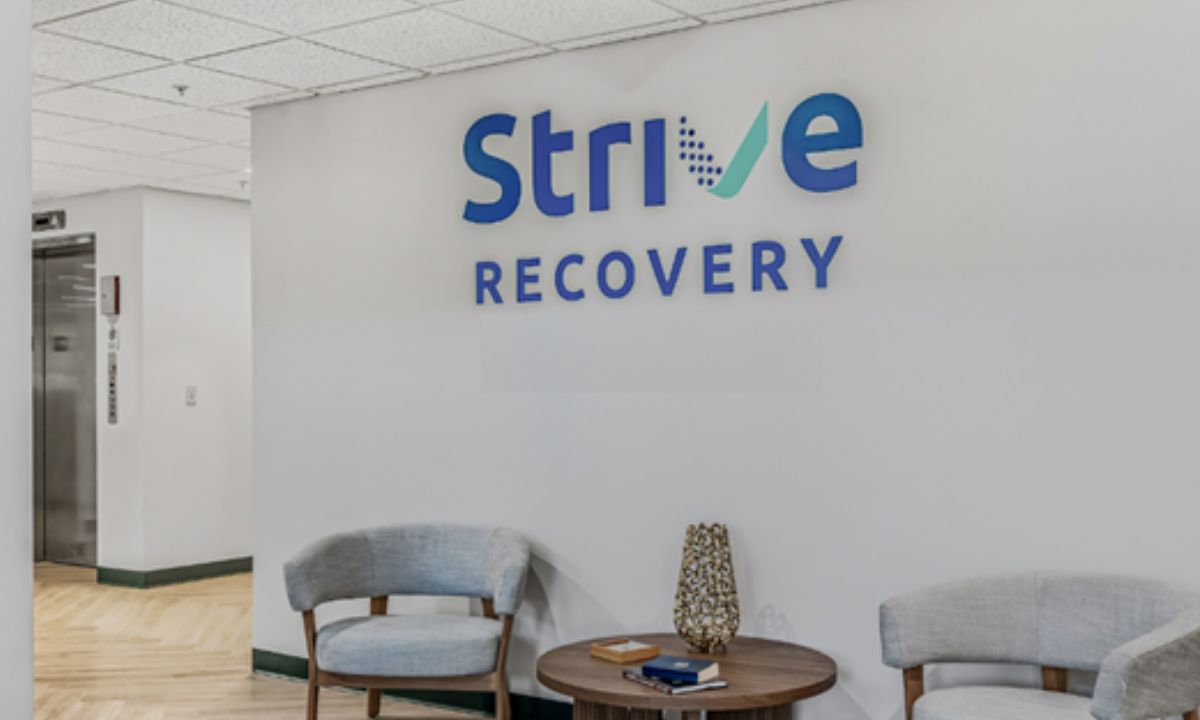
For people struggling with substance use and co-occurring mental health concerns, choosing the right treatment environment can be an important part of beginning recovery. While outpatient programs can provide valuable support, some individuals need a more structured setting where they can step away from daily triggers and concentrate on treatment.
In Waterloo, Iowa, Strive Recovery provides residential rehabilitation alongside a broader continuum of addiction and mental health services. Its residential program is designed around a structured, supportive living environment where individuals can focus on recovery while receiving individualized clinical and behavioral support.
The approach reflects an important principle in addiction treatment: recovery is not identical for everyone. Treatment needs can vary according to substance use, mental health, personal circumstances, previous treatment experiences, and the level of structure an individual requires.
What Residential Treatment Provides
Residential treatment differs from traditional outpatient care because individuals live in a treatment-focused environment while participating in a structured schedule.
According to Strive Recovery, its residential program is intended to minimize outside distractions and provide an immersive setting where clients can concentrate on recovery. The program combines individual and group therapy, family counseling when appropriate, psychiatric evaluation, medication management, life-skills development, and relapse-prevention work.
The residential environment can also provide consistency. Instead of returning each day to the same surroundings and routines that may have contributed to substance use, residents have an opportunity to establish healthier patterns while surrounded by treatment professionals and peers working toward similar goals.
A Personalized Approach to Addiction Treatment
Addiction can have different causes and consequences from one person to another. For that reason, Strive Recovery describes its treatment model as individualized rather than relying on a single approach for every client.
The center’s published information says its clinical team develops customized treatment plans addressing individual needs. Its broader continuum includes medically monitored detox, residential treatment, partial hospitalization, intensive outpatient treatment, and sober living.
This progression can allow treatment intensity to change as a person’s needs change.
Someone who initially needs a highly structured environment may eventually transition to a less intensive program while continuing therapy and recovery support.
Addressing Mental Health Alongside Addiction
Substance use disorders frequently exist alongside mental health challenges, making comprehensive assessment an important part of treatment planning.
Strive Recovery describes its approach as “dual diagnosis” care, addressing substance use and co-occurring mental health conditions together. The conditions identified in its published materials include anxiety, depression, bipolar disorder, PTSD, panic disorder, social anxiety, generalized anxiety, obsessive-compulsive disorder, and emotional trauma.
Treating these concerns together can help clinicians consider the broader circumstances surrounding substance use rather than focusing exclusively on the substance itself.
For individuals with co-occurring conditions, treatment may therefore include behavioral therapy, psychiatric evaluation, medication management, and education about coping strategies.
Therapy as a Foundation of Residential Recovery
Therapy is a central component of Strive’s residential program.
The facility describes individual therapy one to two times per week and daily group therapy lasting approximately five to six hours. Group programming may incorporate cognitive behavioral therapy (CBT), dialectical behavior therapy (DBT), trauma support, and relapse prevention.
CBT can help individuals recognize connections between thoughts, emotions, and behaviors. DBT incorporates skills related to mindfulness, emotional regulation, distress tolerance, and interpersonal effectiveness.
Different therapeutic approaches may address different aspects of recovery, giving residents opportunities to develop practical skills that can be used beyond the treatment setting.
Building Healthy Daily Routines
Recovery involves more than stopping substance use. Developing sustainable routines can be an important part of preparing for life after treatment.
Strive’s residential program includes a structured daily schedule intended to help residents rebuild healthy routines. Its services also include psychoeducation, life-skills development, and emotional-regulation tools.
The residential setting includes shared meals, house meetings, peer support, and other elements of community living. Residents can also participate in activities and amenities that include a gym, art shed, game room, yoga studio, and outdoor spaces.
These features are intended to create an environment where recovery becomes part of everyday life rather than something limited to scheduled therapy sessions.
The Importance of Peer Support
Isolation can make recovery more difficult. A supportive community can provide opportunities to develop connections with people who understand the challenges associated with addiction.
Strive Recovery describes its residential program as a community-oriented environment in which residents can connect with peers facing similar struggles and goals. The center also provides guidance relating to 12-step and alternative recovery programs.
Peer relationships do not replace professional treatment, but they can provide encouragement and accountability during the recovery process.
Medical and Behavioral Support
Residential treatment can provide a level of supervision that is not available in ordinary outpatient settings.
Strive Recovery states that staff are available around the clock for emotional and behavioral support and that medical professionals provide continuous support as part of the residential program.
The center also offers medication-assisted treatment as part of its broader treatment model. According to its website, this approach combines FDA-approved medications with counseling and behavioral therapies for substance use disorders.
Medication decisions should always be made by qualified medical professionals after considering an individual’s medical history and treatment needs.
Residential Care Is Part of a Larger Continuum
One of the notable aspects of Strive Recovery’s model is that residential care is not presented as the only stage of treatment.
The center describes a continuum extending from medically monitored detox and residential treatment through partial hospitalization, intensive outpatient treatment, and sober living.
Partial hospitalization provides structured daytime treatment while allowing clients to live in a supportive setting. Strive describes its PHP as including individual therapy, daily group therapy, family counseling, mental health evaluations, and medication support when needed.
Its intensive outpatient program provides another step toward greater independence, combining therapy, structured routines, peer support, and assistance with rebuilding work, family, and everyday responsibilities.
Preparing for Life After Treatment
Long-term recovery requires skills that extend beyond the treatment facility.
Strive Recovery incorporates life-skills coaching and vocational support into its broader services. Life-skills coaching focuses on practical tools for managing everyday responsibilities, while vocational support can help individuals explore career options and job readiness.
The center also identifies 12-step integration as one component of its recovery approach, providing a peer-led framework that can support continued recovery and connection after formal treatment.
Choosing a Residential Program in Waterloo
Selecting a residential treatment program is a significant decision. Individuals and families may want to consider the level of clinical support available, the treatment philosophy, the program’s approach to co-occurring mental health conditions, living arrangements, therapy schedule, transition planning, and insurance coverage.
Strive Recovery’s Waterloo facility is located at 619 Mulberry Street, Waterloo, Iowa, and the center states that it provides customized, evidence-based treatment for adults experiencing substance use and co-occurring mental health disorders.
Its website also provides a confidential evaluation process through which prospective clients can discuss their circumstances with an admissions counselor and explore appropriate treatment options.
A Structured Environment Can Create Space for Recovery
Residential treatment is not appropriate for everyone, but it can be an important option for individuals who need greater structure, distance from everyday triggers, and consistent professional support.
The model offered by Strive Drug Rehab Waterloo, Iowa combines residential living with individual and group therapy, mental health services, peer support, life-skills development, and a pathway toward less intensive levels of care.
For someone considering treatment, the most important first step is an appropriate professional assessment. Addiction and mental health conditions can be complex, and treatment should be tailored to the individual’s circumstances.
Strive Recovery’s expanded residential focus in Waterloo reflects a broader understanding of recovery: meaningful change may require not only treatment for substance use, but also a supportive environment, attention to mental health, practical life skills, and a gradual transition back into everyday life.
Contributed by Dan Rose, A Senior Local Business Guide Specializing in Drug Rehabilitation in Waterloo, Iowa. Contact The Strive team now at: Strive Recovery of Iowa 619 Mulberry St, Waterloo, IA 50703 (833) 370-0719