
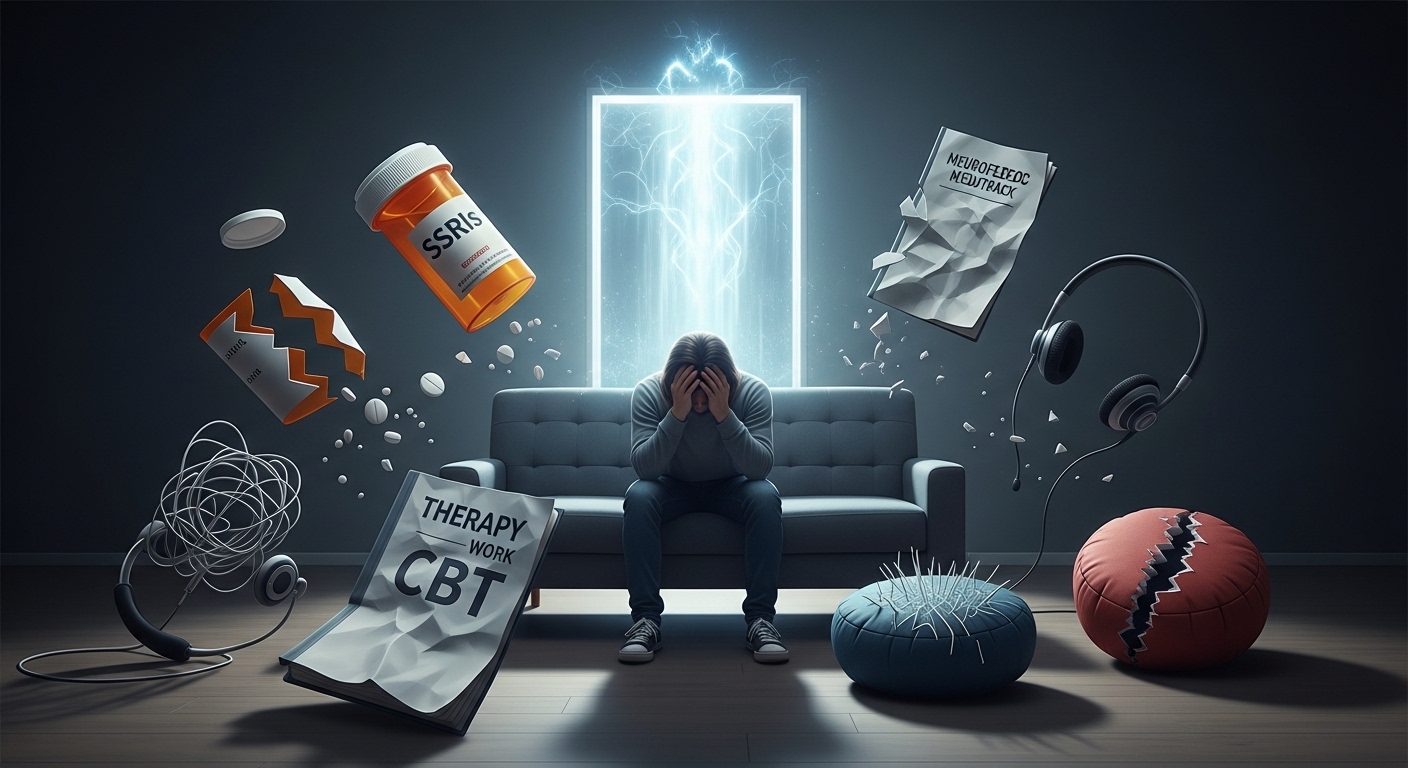
If you have tried multiple medications and therapy sessions for generalized anxiety disorder, panic disorder, or social anxiety yet still wake up with that relentless worry, racing heart, or overwhelming dread, you are not alone and it is not your fault. Up to 50 percent of people with anxiety disorders experience treatment-resistant anxiety, where standard approaches like SSRIs or basic cognitive behavioral therapy (CBT) provide only partial or no relief after adequate trials.
This article explains why your anxiety might feel refractory and maps out evidence-based next steps in treatment-resistant anxiety treatment. As a licensed clinical psychologist who has supported hundreds of patients in similar situations, I want you to know that “resistance” simply signals the need for a different strategy, not the end of hope. With the right evaluation and targeted options, many people regain control and experience meaningful relief.
What Is Treatment-Resistant (Refractory) Anxiety?
Treatment-resistant anxiety or refractory generalized anxiety disorder is a clinical term. It applies when symptoms remain significant despite at least one (often two) adequate trials of first-line treatments, such as an SSRI or SNRI at the proper dose for at least eight weeks, combined with evidence-based psychotherapy.
It is not a label of personal failure. Factors like genetics, undiagnosed co-occurring conditions (such as depression or trauma), lifestyle elements, or even how your brain processes stress can play a role. The good news? Recognizing it opens the door to specialized treatment-resistant anxiety treatment that goes beyond standard care.
Why Standard Treatments May Not Work for You
Many patients ask, “Why is my anxiety resistant to treatment?” Common reasons include:
- Incomplete response to the first medication or therapy protocol
- Unaddressed comorbidities or medical issues (thyroid problems, sleep apnea)
- Subtle adherence challenges or insufficient treatment duration
- Biological factors affecting neurotransmitter systems like serotonin or GABA
A thorough psychiatric evaluation is the essential first step. It rules out hidden contributors and creates a personalized roadmap. Do not blame yourself. Your brain is simply asking for a more precise approach.
Medication Options for Treatment-Resistant Anxiety Disorder
When first-line drugs fall short, augmentation or switching often helps. Here are evidence-backed choices:
GABA-Related Agents Pregabalin, a GABA analogue, calms overactive brain signals by binding to calcium channels. Randomized trials show it reduces Hamilton Anxiety Rating Scale scores when added to an existing antidepressant, with benefits appearing as early as week one. Doses typically range from 150–600 mg daily. It is generally well tolerated, though dizziness or drowsiness can occur.
Atypical Antipsychotics as Adjunctive Therapy Low-dose atypical antipsychotics such as quetiapine, aripiprazole, or risperidone provide additional relief in refractory generalized anxiety disorder. Open-label and some controlled studies report meaningful drops in anxiety scores. These agents work through serotonin and dopamine pathways at much lower doses than those used for psychosis. Side effects like mild sedation or weight changes require monitoring, so they are reserved for true non-responders.
Rapid-Acting Options Like Ketamine For severe cases, intravenous ketamine or intranasal esketamine offers rapid symptom relief. A systematic review of 18 studies found single infusions can lower anxiety within hours in treatment-resistant GAD and social anxiety, with effects lasting up to a week or more with repeat dosing. Ketamine promotes neurotrophic perspectives by boosting brain-derived neurotrophic factor (BDNF) and enhancing neuroplasticity, essentially helping your brain rewire fear circuits.
Always discuss benzodiazepine dependence risks with your doctor. Short-term use may help in crisis, but long-term reliance is avoided.
Intensive Psychotherapy and Treatment Augmentation
Medication alone rarely tells the full story. Many patients benefit from adjunctive therapy:
- Intensive CBT or exposure-based protocols delivered in longer sessions or group formats
- Acceptance and Commitment Therapy (ACT) or Dialectical Behavior Therapy (DBT) skills to handle uncertainty and emotional waves
- Combined medication-plus-therapy approaches, which research shows create more durable gains
Imagine shifting from “fighting” every anxious thought to observing it and choosing value-driven actions. Patients often report this pivot feels liberating after years of standard weekly sessions.
Neuromodulation and Emerging Innovations
Non-drug options are expanding:
- Repetitive transcranial magnetic stimulation (rTMS) uses magnetic pulses to target brain areas involved in anxiety regulation. Studies show it reduces symptoms in GAD and anxious depression with minimal side effects.
- Clinical trials are testing novel agents like MM120 (a controlled LSD derivative) for generalized anxiety, offering hope for fast, lasting change.
Talk to your provider about enrolling in trials if standard augmentation feels insufficient.
Lifestyle and Supportive Strategies
While not standalone cures for refractory cases, these steps amplify other treatments:
- Consistent sleep, exercise, and reduced caffeine
- Mindfulness practices or digital therapeutics (some FDA-cleared apps now exist for GAD)
- Family or caregiver involvement, which reduces isolation and improves adherence
How to Talk to a Psychiatrist About Treatment-Resistant Anxiety Treatment
Prepare for the conversation:
- Bring a detailed history of every medication, dose, duration, and response.
- List current symptoms and their impact on daily life.
- Ask specific questions: “Would augmentation with a GABA agent or atypical antipsychotic fit my profile?” or “Is rTMS or ketamine appropriate?”
- Request a full psychiatric evaluation to explore all angles.
A collaborative psychiatrist will view you as a partner and explain risks and benefits clearly.
Moving Forward With Hope
Treatment-resistant anxiety treatment has evolved. From targeted medication augmentation and intensive psychotherapy to neuromodulation and neurotrophic agents that harness your brain’s natural ability to adapt, real options exist. What feels like a dead end is often just a bend in the road toward relief.
You have already shown incredible strength by seeking answers. Now take the next evidence-based step. Schedule that specialized evaluation, explore augmentation or advanced therapies, and remember: lasting change is possible.
Consult a board-certified psychiatrist experienced in anxiety disorders to create a plan tailored to you. Recovery is not a straight line, but with the right strategy, it is absolutely within reach.
You May Also Like: Anxiety Attack vs Panic Attack: Spotting the Signs
 Arthur