 By Admin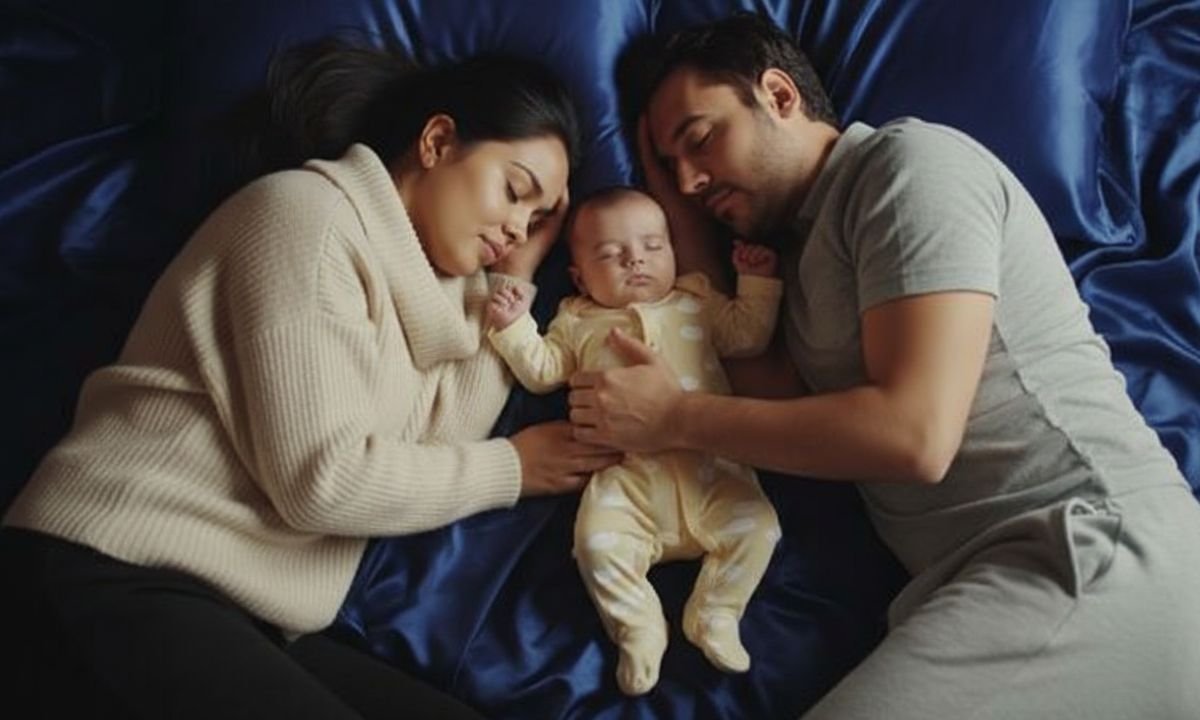
Key Points
- Research suggests co-sleeping can strengthen emotional bonds and reduce stress in young children, but it may also link to later behavioral challenges like anxiety if prolonged.
- Benefits include enhanced attachment security and better emotional regulation, while drawbacks involve potential delays in independence and increased separation anxiety.
- Evidence leans toward neutral long-term psychological impacts when accounting for family factors, though some studies highlight risks for preadolescent behavior problems.
- Transitioning to independent sleep around ages 2-5 supports childhood development, with balanced approaches acknowledging cultural and individual differences.
- Parents should weigh co-sleeping’s nurturing aspects against effects on sleep hygiene, family dynamics, and parental intimacy, consulting professionals for personalized guidance.
Understanding Co-Sleeping
Co-sleeping, where a child shares a bed with parents, often stems from cultural norms or practical needs like breastfeeding. It can foster closeness but requires safety measures to avoid risks. Studies show it’s common worldwide, yet Western views sometimes emphasize independence.
Potential Benefits
For infants, co-sleeping may lower cortisol levels and promote secure attachments, aiding emotional regulation. This can reduce nighttime fears and support co-sleeping benefits in early years.
Challenges and Transitions
Prolonged co-sleeping past age 5 might contribute to separation anxiety or behavioral issues, though not causally in all cases. Gentle bedtime routines help ease transitions, promoting independent sleep milestones.
Family Impacts
It can strain parental intimacy and parental mental health, indirectly affecting the child. Balanced decisions prioritize everyone’s well-being.
Imagine those quiet nights when your little one snuggles close, their steady breathing a soothing reminder of the unbreakable bond you share. For many parents, co-sleeping feels like a natural extension of daytime caregiving, offering comfort in a fast-paced world. Yet, as a licensed clinical psychologist, I’ve seen families grapple with questions about its deeper impacts. This article delves into the psychological effects of child sleeping with parents, exploring both the heartwarming benefits and subtle challenges. Drawing from evidence-based research, we’ll uncover how this practice influences childhood development, from attachment theory to emotional regulation. Whether you’re a new parent cherishing those moments or considering a shift for your child’s growing independence, you’ll find empathetic insights and practical steps to support your family’s well-being. Remember, every family is unique, and what matters most is making informed choices that nurture emotional growth.
What Is Co-Sleeping, and Why Do Families Choose It?
Co-sleeping, often called bed-sharing, involves a child sleeping in the same bed as parents or caregivers. It’s distinct from room-sharing, where the child is in the same room but on a separate surface. Families opt for it for various reasons: convenience during nighttime feedings, cultural traditions, or simply to ease a child’s fears. In many non-Western cultures, it’s the norm, viewed as a way to strengthen family ties.
But let’s talk about you. Perhaps your toddler climbs into bed after a nightmare, or you’ve been co-sleeping since infancy because it just felt right. That’s okay. Research shows that up to 84% of young children in some populations co-sleep regularly. The key is understanding its psychological ripple effects, so you can decide if and when to adjust.
Think of Sarah, a mom I worked with (names changed for privacy). Her 3-year-old son co-slept after a family move caused him anxiety. It helped initially, but over time, she noticed his reluctance to play alone. This anecdote reflects a common pattern: co-sleeping can be a temporary haven, but prolonged, it might influence independence.
The Role of Attachment Theory in Co-Sleeping
Image Source: https://kelleen-beck.themamacoach.com/
Attachment theory, pioneered by John Bowlby, explains how early bonds with caregivers shape a child’s sense of security. Secure attachments form when needs are consistently met, leading to confident exploration.
Co-sleeping can support this by providing proximity, which lowers stress hormones like cortisol. A 2024 study found no negative impact on attachment security from infant bed-sharing, suggesting it may even enhance emotional closeness when practiced safely.
However, balance is crucial. If co-sleeping becomes reactive to anxiety rather than intentional, it might reinforce dependency. Ask yourself: Does this help my child feel safe, or is it avoiding necessary growth?
7 Surprising Psychological Effects Explored
Here, we break down seven key effects, backed by science. Some may surprise you, as they challenge common myths.
1. Enhanced Emotional Security and Reduced Stress
One surprising benefit: co-sleeping can foster greater attachment security. Infants who bed-share often show lower stress hormone levels and more positivity after challenges. This aligns with attachment theory, where physical closeness builds trust.
For example, in cultures where co-sleeping is common, children exhibit resilience. A review noted respiratory synchrony and fewer apnea episodes, indirectly supporting emotional calm. But remember, this shines brightest in infancy.
2. Improved Emotional Regulation in Early Years
Young children learn emotional regulation through parental cues. Co-sleeping provides immediate comfort, helping regulate emotions during night wakings. Studies link it to reduced nighttime distress, especially for those with fears.
Surprisingly, co-sleeping infants may become more independent preschoolers, countering fears of clinginess. Picture a toddler who, after secure nights, confidently explores daycare.
3. Potential for Heightened Separation Anxiety
Here’s a twist: while early co-sleeping soothes, extending past age 5 might amplify separation anxiety. Research shows anxious school-aged children co-sleep more, with links to delayed sleep timing and variability. This can lead to clinginess during transitions like school drop-offs.
A 2018 study tied early co-sleeping to preadolescent anxiety and withdrawal. If your child protests bedtime alone, it might signal this effect.
4. Links to Behavioral Problems in Later Childhood
Surprisingly, early co-sleeping predicts internalizing (anxiety, depression) and externalizing (aggression) issues in preadolescence, even after controls. A large cohort study found odds ratios up to 2.61 for these problems.
This doesn’t mean causation; family factors play a role. But it’s a cue to monitor.
5. Impact on Independence and Self-Soothing Skills
Co-sleeping can delay independent sleep milestones, like self-soothing. Children may struggle falling asleep alone, heightening anxiety. Yet, some evidence shows no long-term harm to cognitive development.
The surprise? With planned transitions, kids adapt quickly.
6. Effects on Parental Mental Health and Family Dynamics
Mothers co-sleeping with toddlers lose sleep and report more stress, anxiety, depression. This indirectly affects children through less sensitive parenting.
Long-term co-sleeping strains parental intimacy, leading to marital tension that ripples to the child’s emotional world.
7. Neutral Long-Term Psychological Outcomes
Most surprising: after adjusting for confounders like maternal distress, bed-sharing shows no lasting impact on emotional or behavioral trajectories. A 2024 UK study of 16,599 children confirmed this.
This empowers parents: safe co-sleeping isn’t detrimental long-term.
Independent Sleep Milestones: When Is It Time?
Children reach independent sleep milestones variably. By 6-12 months, many self-soothe; by 2-3 years, most sleep alone. Signs of readiness: consistent naps, less night waking.
| Age Range | Milestone | Tips |
|---|---|---|
| 0-6 Months | Differentiate day/night | Keep feeds quick at night. |
| 6-12 Months | Self-soothe after wakings | Introduce loveys. |
| 1-3 Years | Sleep in own bed | Gradual fading. |
| 3-5 Years | Handle separations | Role-play bedtime. |
| 5+ Years | Independent routines | Reward charts. |
If past age 5, consult a pediatrician.
Actionable Solutions: Transitioning to Independent Sleep
Ready to shift? Start with bedtime routines: bath, story, cuddles. Consistency reduces separation anxiety.
Steps:
- Create a cozy space.
- Use gradual withdrawal: sit by bed, then doorway.
- Address fears with “worry boxes.”
- For parasomnias like night terrors, maintain calm.
A 2023 review supports behavioral interventions. If anxiety persists, therapy helps.
Overcoming Common Pitfalls: Nighttime Anxiety and More
Parents often face resistance. Use empathy: “I know it’s scary, but I’m right here.” Combine with routines for emotional regulation.
Anonymized story: Mike’s 4-year-old had bedtime tantrums. A routine with stories and check-ins resolved it in weeks.
Avoid pitfalls like inconsistency, which worsens anxiety.
The Broader Impact: Parental Intimacy and Well-Being
Co-sleeping can disrupt parental intimacy, leading to resentment. Prioritize couple time elsewhere to model healthy relationships.
For parents, self-care combats fatigue. A 2018 study linked co-sleeping to maternal depression in low-income families.
In wrapping up this exploration of the psychological effects of child sleeping with parents, remember the positives like stronger bonds and the challenges like potential separation anxiety. Research, including a 2024 UK cohort study, reassures us that with awareness, outcomes can be positive. Embrace what works for your family, but consider transitions for independent sleep milestones. Consult a licensed psychologist or pediatrician to tailor a plan that honors your child’s emotional regulation and your well-being. You’re doing great; small steps lead to restful nights ahead.
You May Also Like: Compassionate Psychiatric Care: Meet Thormala Truesdale MD